Rating: 10|Votes: 2
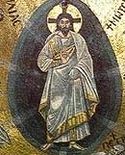
In the icon of the Feast of the Transfiguration, Christ is the central figure, appearing in a dominant position within a circular mandorla. He is clearly at the visual and theological center of the icon. His right hand is raised in blessing, and his left hand contains a scroll.
The transfiguration of Christ is one of the central events recorded in the gospels. Immediately after the Lord was recognized by his apostles as “the Christ [Messiah], the Son of the Living God,” he told them that “he must go up to Jerusalem and suffer many things ... and be killed and on the third day be raised” (Mt 16). The announcement of Christ’s approaching passion and death was met with indignation by the disciples. And then, after rebuking them, the Lord took Peter, James, and John “up to a high mountain”—by traditionMount Tabor—and was “transfigured before them.”
Virgin Mary is a holy figure for Greeks not only because she gave birth to Jesus but because worshippers have connected Her with the Greek nation’s freedom in many cases. As a result, the mother of Jesus has been given several different names all over Greece as locals wanted to thank Virgin Mary for her aid in some of the woes they faced. It’s the same holy figure, having taken different names, though.
Rating: 6,9|Votes: 9
The essence of the fast is expressed in the following Church hymn: “If you fast from food, my soul, but are not purified of the passions, in vain do we comfort ourselves by not eating. For if the fast does not bring you correction, then it will be hateful to God as false, and you will be like unto the evil demons, who never eat.”
Rating: 1|Votes: 1
Pilgrims from across the world traveled here Wednesday to celebrate the 42nd anniversary of the canonization of St. Herman of Alaska.